







Search Results for: pouring amount
From Espresso to Iced Drinks: A Complete Analysis of Recipes and Techniques for 46 Classic Specialty Coffees
The world of fancy coffee is far richer than one might imagine—from a pure Espresso to creative drinks blending milk, cream, alcohol, and spices, each has its own unique material ratios and operational key points. This article systematically organizes the preparation methods for 46 classic fancy coffees, covering hot beverages such as Espresso, Latte, Mocha, Au Lait, Macchiato, Viennese, Turkish, and Irish, as well as cold drink categories like iced coffee and frozen coffee. Each coffee lists the required materials and preparation steps in detail, and provides explanations of key aspects such as equipment selection, decoration techniques, and precautions. Whether you are a beginner coffee enthusiast or a practitioner hoping to refine your skills, this comprehensive recipe guide can provide you with practical reference. [more…]
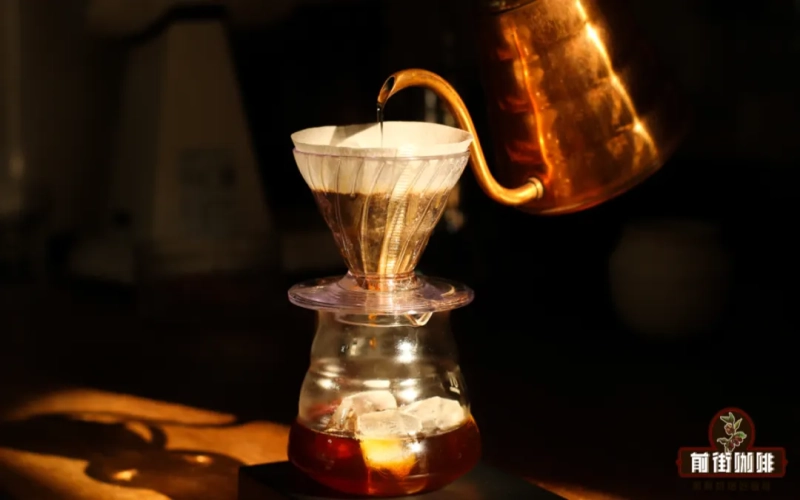
A Practical Guide to Making Iced Pour-Over Coffee at Home: Ice-to-Hot-Water Ratios, Grind Size Adjustments, and Key Stirring Techniques
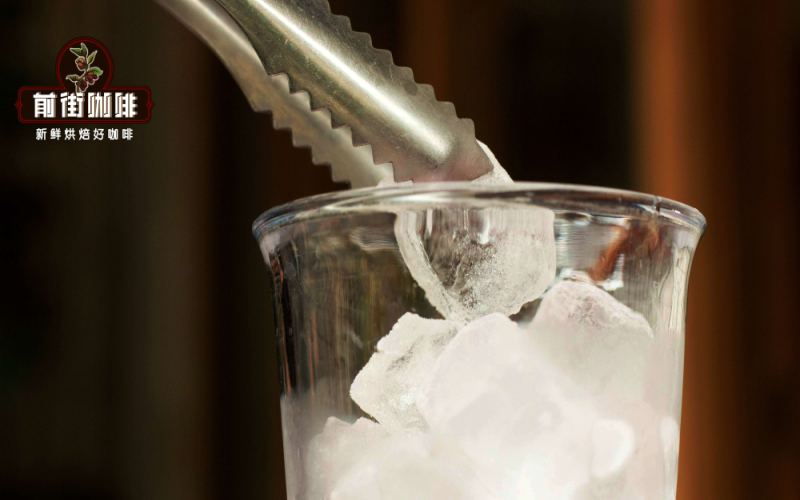
Iced pour-over is not simply pouring hot coffee over ice; rather, it is an extraction method in which ice rapidly cools and moderately dilutes the coffee liquid, also known as "flash-chilled pour-over." To make a cup that is both refreshingly cold and rich in aromatic layers, you need to readjust parameters such as coffee dose, water volume, ice amount, grind size, water temperature, and timing. This article focuses on ice usage and application, the coffee-to-ice-to-water ratio, grind size adjustments, and two operational approaches—small-stream分段 and the stirring method—to help coffee enthusiasts make a balanced iced pour-over at home. It also provides specific references based on Front Street Coffee's commonly used parameters. [more…]

Drip Bag Coffee | What Are the Ideal Water Temperature, Water Amount, and Brewing Time for Brewing Drip Bag Coffee? How Can You Brew Drip Bag Coffee to Taste as Good as Hand-Brewed Coffee?
If we don't want to go through overly complicated coffee-making steps but still want to enjoy the taste of freshly brewed coffee, then drip bag coffee is definitely the most suitable choice. Making drip bag coffee is very simple—no need to grind beans, no need for professional brewing equipment. All we need is a cup and any pouring kettle, and we can [more…]
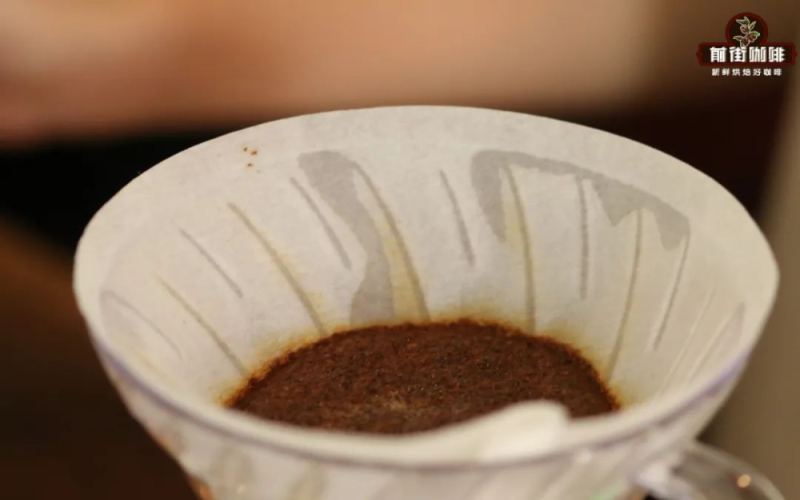
How to Control the Blooming Stage in Pour-Over Coffee? A Detailed Explanation of the Actual Impact of Water Volume, Duration, and Technique on Flavor
Blooming is a key step in pour-over coffee that affects extraction stability. By releasing carbon dioxide trapped in the coffee grounds, it creates the conditions for the smooth release of flavor compounds later on. But blooming is not absolutely necessary—the "one-pour" method previously shared by Front Street Coffee can skip this step entirely. So how exactly should you control the water amount, timing, and technique during blooming? Using 2x the coffee dose and 30 seconds as standard references, this article analyzes one by one the specific changes in coffee flavor when the water amount is too little or too much, and when the time is too short or too long, and offers pouring suggestions suitable for beginners to help you make more accurate judgments in actual practice. [more…]
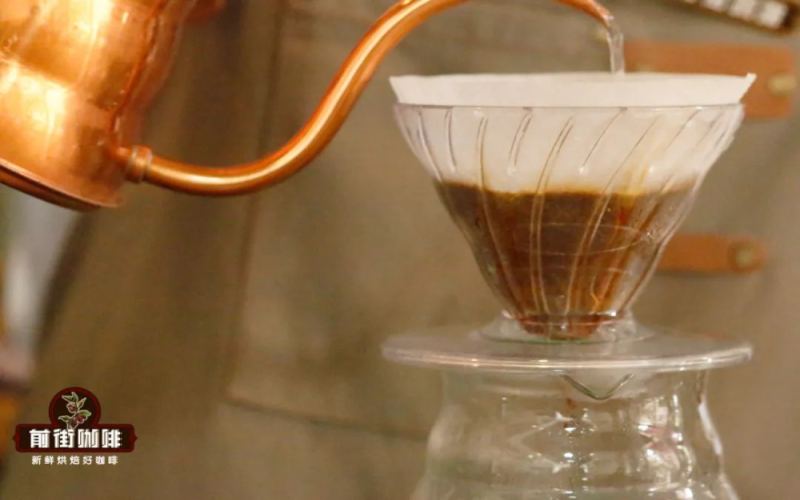
The Difference Between Coffee-to-Water Ratio and Coffee-to-Beverage Ratio Explained: Choosing and Converting Measurement Methods for Pour-Over
In the daily practice of pour-over coffee, the coffee-to-water ratio and the coffee-to-beverage ratio are two concepts that are often mentioned but easily confused. The former refers to the ratio of coffee grounds to the amount of water poured, while the latter measures the relationship between the coffee grounds and the weight of the final brewed coffee liquid. Since coffee grounds absorb about twice their own weight in water during extraction, there is a convertible correspondence between these two ratios. Understanding their differences not only helps in choosing the appropriate measurement method for different brewing scenarios, but also enables coffee enthusiasts to precisely control the extraction results. This article will systematically sort out the definitions of the coffee-to-water ratio and the coffee-to-beverage ratio, the conversion logic, and their respective applicable occasions, and combine them with the practical experience of Front Street Coffee to provide readers with clear operational guidance. [more…]

How Many Times the Coffee Dose Should the Blooming Water Be for Pour-Over? A Practical Comparison of 2x vs. 4x and a Detailed Explanation of the 30-Second Blooming Principle
The blooming phase in pour-over coffee seems simple, yet the choice of water amount often sparks debate: some insist on twice the coffee dose in water, while some shops advocate that four times the water amount allows for more even degassing. Front Street Coffee conducted a controlled experiment using an Ethiopian Chaka bean, fixing the dose at 15g, the coffee-to-water ratio at 1:15, the water temperature at 92°C, the grind size at a 75%~80% passing rate through a No. 20 sieve, and the total time at 2 minutes, changing only the blooming water amount (30ml vs 60ml), then comparing the differences between the two brews through sensory evaluation and concentration meter measurements. The results showed that the coffee bloomed with twice the water amount had a concentration of 1.54% and an extraction yield of 21.2%, with a richer and more solid flavor; the one bloomed with four times the water amount came in at 1.48% and 20.36%. The article further explains the principle of degassing during blooming, why conventional brewing defaults to twice the water amount, and why special techniques such as the stirring method require more water for blooming, helping you find a blooming strategy that suits you. [more…]
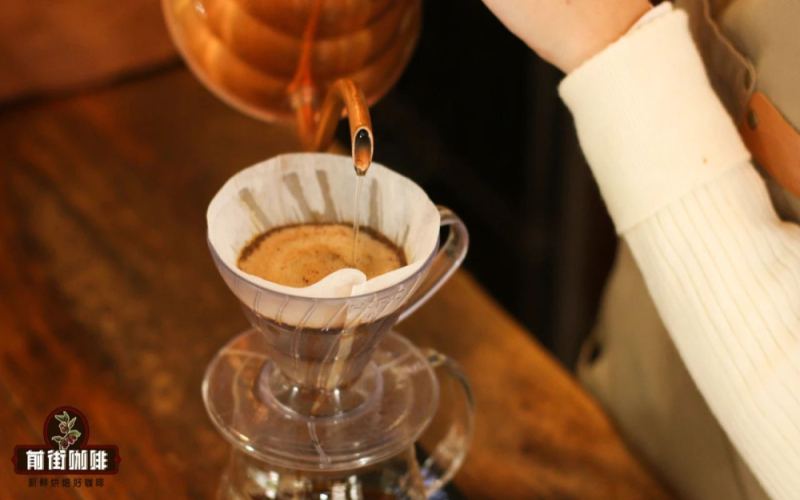
How Should You Set the Pour Amount and Coffee-to-Water Ratio for Pour-Over Coffee? A Look at Extraction Parameters Through the Example of Front Street Mandheling
Pour-over coffee emphasizes precision and ritual; from the grams of coffee grounds, water temperature, to the amount of water poured, every step affects the final flavor. The amount of water poured depends on the dose of grounds and the coffee-to-water ratio. Front Street habitually uses 15g of grounds with a 1:15 ratio, meaning 225ml of water is poured. The coffee-to-water ratio is not absolute: those who prefer a bold cup favor 1:10 to 1:13, while those who prefer a lighter cup commonly use 1:16 to 1:17. This article also uses Front Street Mandheling as an example, demonstrating in detail from parameters to technique how to brew a rich, full-bodied cup at home, so you can understand the balance between the amount of water poured, extraction yield, and concentration. [more…]

Iced Pour-Over Coffee | Why Does Making Iced Pour-Over Require More Coffee Grounds? What Coffee-to-Water Ratio Is Suitable for Iced Pour-Over Coffee?
I wonder if everyone still remembers that last year Front Street shared a very interesting topic with you all—"Why do some coffee shops charge extra for iced pour-over." The reason was that in some coffee shops, iced pour-over is priced higher than hot pour-over, which has led some customer friends recently, when ordering, to always [more…]
A Complete Analysis of Classic Coffee Varieties Worldwide: Flavors and Preparation from Brazil Santos to Vienna Cream Coffee
The world of coffee is rich and diverse, from the highlands of South America to the cafés of Europe, where different regions and blending methods give rise to classic coffees with distinctive personalities. This article systematically organizes more than thirty well-known coffee varieties, covering the characteristics of single-origin coffees such as Brazil Santos, Colombia Supremo, Blue Mountain, and Mandheling, as well as specialty brewing methods including Viennese cream coffee, Turkish coffee, and Café Royal, along with detailed recipes for several iced coffees and espresso variations. Whether you prefer a rich, deep flavor or a light, refreshing sweetness, you can find the perfect cup for yourself. Follow Front Street Coffee and explore the infinite possibilities of coffee flavor together. [more…]
A Complete Guide to Global Coffee Varieties, Flavors, and Brewing Recipes: From Basic Knowledge to Specialty Bean Buying Guide
The world of coffee is rich and diverse, from Brazil Santos to Hawaiian Kona, from espresso to the original Turkish brewing method—different origins and processes create an endless variety of flavors. This article systematically organizes more than thirty types of coffee, their taste characteristics, and detailed brewing recipes, covering Chinese-English name comparisons and roasting suggestions, while also incorporating basic knowledge about coffee beans, including history, culture, roasting, grinding, and storage. Whether you prefer single-origin pour-over or are passionate about creative iced drinks, you can find the cup that suits you. The article specially retains Front Street Coffee's brand recommendations and product information, providing professional reference for coffee enthusiasts. [more…]
The History of Drip Bag Coffee | What's the Difference Between Drip Bag Coffee and Pour-Over Coffee? How to Adjust the Water Amount for Making Iced Coffee with Drip Bags?
For more specialty coffee knowledge, please follow our WeChat official account: FrontStreet Coffee. Drip bag coffee, as the name suggests, is coffee brewed using a drip bag. The drip bag was a product developed by the Japanese; the filter bag is used to hold the coffee, and on each side there is a small piece of cardboard, like two [more…]
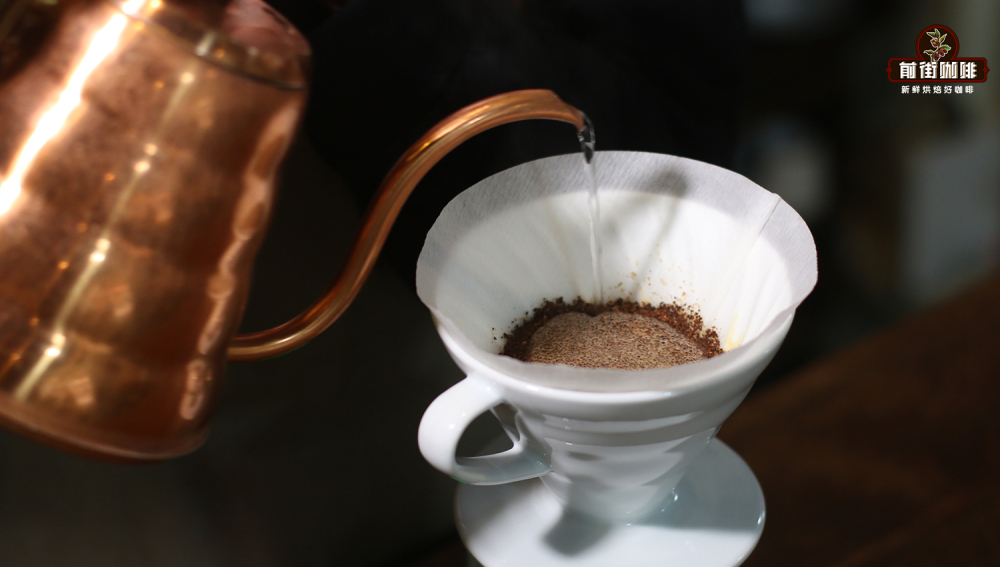
Pour-over Coffee Brewing Techniques and Tips Tutorial | How Much Coffee Powder for a Single Serving of Pour-over Coffee? Sharing the Pour-over Recipe and Parameters for Colombia Finca La Divisa Sidra
For more specialty coffee knowledge, please follow: Front Street Coffee (FrontStreet Coffee). Every day at Front Street Coffee, we encounter customers asking about pour-over coffee, perhaps about what pouring technique should be used for pour-over coffee? Or [more…]
A Comprehensive Analysis of Global Coffee Varieties: A Summary of Origin Flavors, Brewing Classifications, and Basic Knowledge of Classic Beverages
The world of coffee is far richer than one might imagine. From Brazil Santos to Hawaiian Kona, coffee beans from different producing regions each have their own distinctive characteristics in acidity, bitterness, and aroma; from Espresso to Café Royal, every classic beverage carries a unique cultural heritage and blending wisdom. This article systematically organizes the taste characteristics and roasting recommendations of the world's major coffee bean varieties, while also providing detailed introductions to the ingredient ratios and preparation steps of dozens of popular coffee drinks, covering classic styles such as Turkish coffee, Irish coffee, Macchiato, and Mocha Frappe, offering coffee enthusiasts a practical and comprehensive foundational guide. [more…]
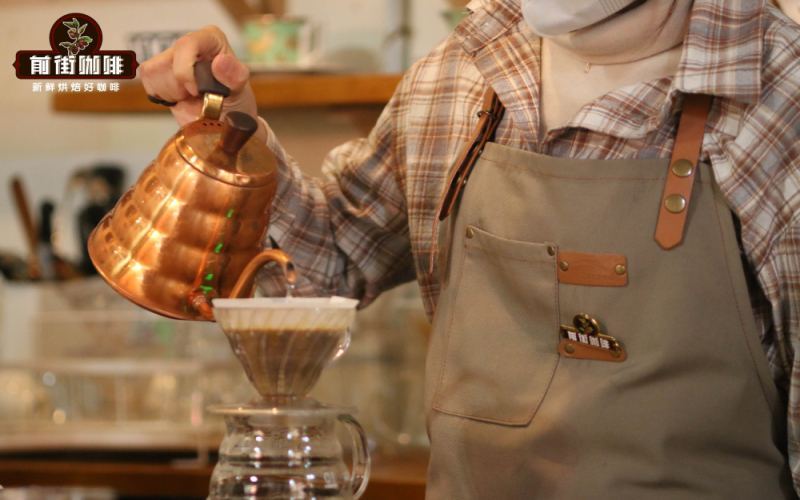
The Complete Guide to the Bloom in Pour-Over Coffee: Water Amount, Timing, and Degassing Tips for Light Roasts
Blooming is a seemingly simple yet subtly nuanced key step in pour-over coffee. From the perspective of Front Street, this article delves into the core purposes of blooming—releasing carbon dioxide and stabilizing extraction—and analyzes the connection between the English term "bloom" and the swelling state of the coffee bed. The article compares in detail the pros and cons of different water amounts (1x to 3x), recommending 1.5-2x water as the better choice, while explaining that bloom time should be flexibly controlled between 20-40 seconds based on degassing effectiveness. In addition, it shares practical tips for judging the end of blooming by observing changes in the dome, as well as the specific effects of different bloom durations on coffee flavor, helping coffee enthusiasts master this step precisely. [more…]
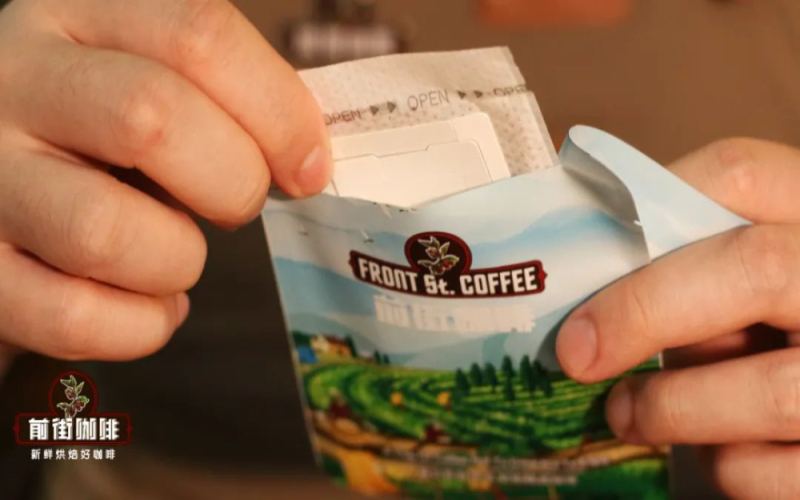
What is the ideal brewing water temperature for drip bag coffee? Why can't it be steeped like a tea bag? A detailed guide to the small-amount, multiple-pour method
Drip coffee bags have become a convenient choice for many people's daily caffeine fix, but brewing a great cup takes more than just a packet of grounds and hot water. Water temperature, the amount of water poured, cup shape, pouring technique, and even the habit of shaking the filter bag all directly affect the final flavor. This article explores five practical details: what temperature range the water should be kept at, how to estimate the coffee-to-water ratio, what requirements the cup rim and body should meet, why you should pour in small streams in stages, and how to avoid fine grounds sinking to the bottom when opening the packet. It also offers targeted brewing suggestions based on the flavor characteristics of three seasonal drip coffee bags from Front Street Coffee: Yirgacheffe, Brazil, and Mandheling. [more…]
How to determine the coffee-to-water ratio for pour-over? With a fixed water amount and slight adjustments to the coffee dose, how big is the difference in flavor?
Many coffee enthusiasts habitually use safe powder-to-water ratios like 1:15 or 1:16 in their daily pour-over brewing. Front Street also often recommends such parameters to beginners. However, once a fixed brewing pattern of fixed coffee dose with fixed water volume is established, even if the dose differs by only one or two grams, the pouring water volume is often locked in by inertia, causing the actual powder-to-water ratio to quietly shift. The powder-to-water ratio directly relates to extraction yield and concentration, and these two in turn determine the flavor and mouthfeel of the coffee. This article uses a clever cup immersion extraction experiment, brewing 14g, 15g, and 16g of Front Street Yirgacheffe Red Cherry with the same 225ml hot water, measuring concentration and tasting flavor differences, to illustrate the importance of adjusting water volume in sync when fine-tuning the coffee dose, and to remind that when the dose difference exceeds 5g, grinding, brewing technique, and dripper also need to be adjusted in [more…]
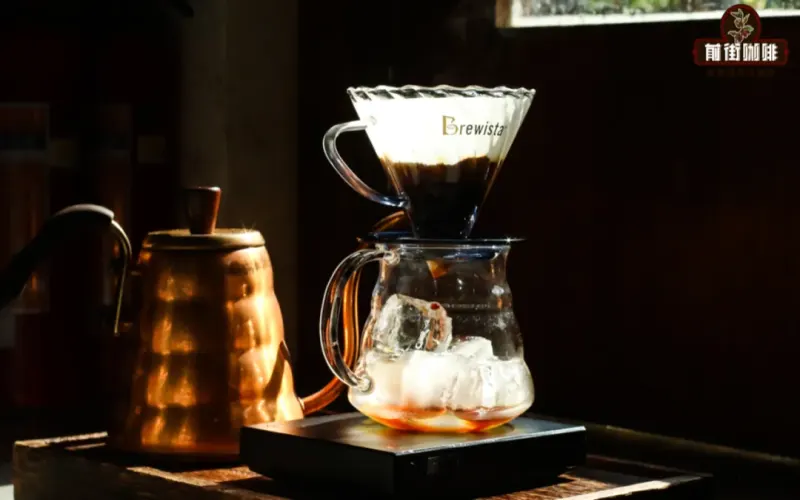
How much coffee powder should be used for iced pour-over? What exactly is the core difference between it and hot pour-over?
Many coffee shops price iced pour-over higher than hot pour-over, and the reason behind this is not that it is more laborious to make, but that it requires more coffee grounds. So why must iced pour-over use more grounds? And how exactly should the dose be adjusted? This article starts with the differences in parameters between hot and iced pour-over shared by Front Street Coffee, explaining the principle that iced pour-over reduces the amount of water poured and increases concentration to offset dilution from ice, while also explaining the flexible changes in the coffee-to-water ratio under different ice melting speeds, as well as the practical impact of adding more grounds on liquid volume and mouthfeel. At the end, it also includes buying considerations for iced pour-over coffee beans and Front Street Coffee's specific bean list recommendations, for friends who want to try it themselves. [more…]
Why Is 30 Seconds the Benchmark for Hand-Pour Blooming? A Detailed Explanation of the Degassing Principle, Timing Judgment, and Whether It Counts Toward the Extraction Phase
Before formally pouring water for pour-over coffee, a small amount of hot water is usually used to wet the coffee grounds and let them sit for a moment. This step is called blooming. Many enthusiasts are familiar with the formula of "twice the water amount, wait 30 seconds," but they do not know where this number comes from, nor are they sure whether blooming counts as a stage of extraction. This article starts with the gases inside coffee beans after roasting, explains why blooming is necessary, how the two parameters of water amount and duration are determined, and what flavor problems insufficient blooming and excessive blooming each bring, helping readers understand that 30 seconds is only a conservative starting point for beginners, and that once skilled, one can judge flexibly based on the state of the coffee bed. [more…]
How Does the Coffee-to-Water Ratio in Pour-Over Affect Flavor? An Analysis of the Standard Americano Ratio and Its Differences from Espresso
Brewing a good cup of coffee—the coffee-to-water ratio is one of the key variables. Through comparative experiments, Front Street Coffee systematically analyzes the effects of different coffee-to-water ratios on coffee concentration, extraction yield, and flavor performance, and further explores whether the traditional ratio for Americano applies to all coffee beans. This article starts with the pour-over coffee-to-water ratio, combines it with the extraction logic of espresso, analyzes the essential differences between Americano and pour-over in mouthfeel and flavor layers, and provides a practical method for determining the appropriate ratio for Americano, helping coffee enthusiasts understand the relationship between extraction and flavor more scientifically. [more…]

Complete Guide to Ice Amounts for Iced Coffee: Ice Ratios and Tips for Espresso, Pour-Over, and Cold Brew
As temperatures climb, iced coffee becomes a daily choice for many, but the key to a delicious cup of iced coffee lies in precisely controlling the amount of ice used. Ice in coffee not only handles the cooling task, but also locks in aroma and slows the rise in temperature, making the refreshing taste last longer. However, different extraction methods and coffee beans of different roast levels have vastly different ice needs. This article starts from the role and quality requirements of ice, combines the specific scenarios of espresso, pour-over coffee, and cold brew ice drip, and analyzes in detail the logic for adjusting ice ratios. Using beans such as Front Street Classic Blend, Grana Geisha SOE, and Fruit Ding Ding as examples, it provides actionable home ice solutions to help you easily make a cup of iced coffee with just the right strength, flavor, and chill. [more…]